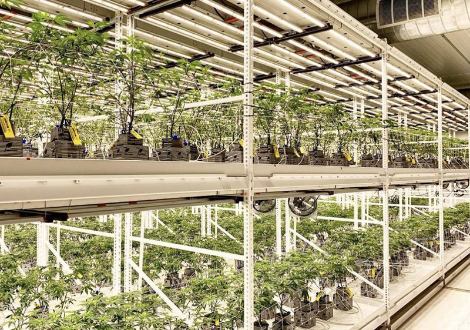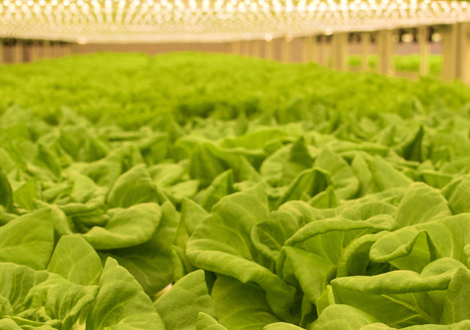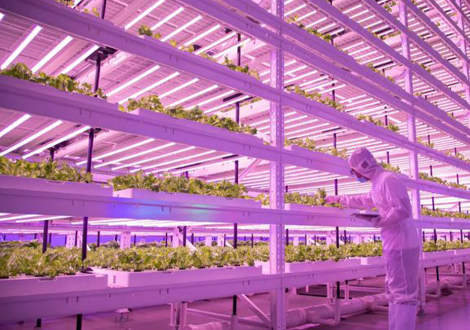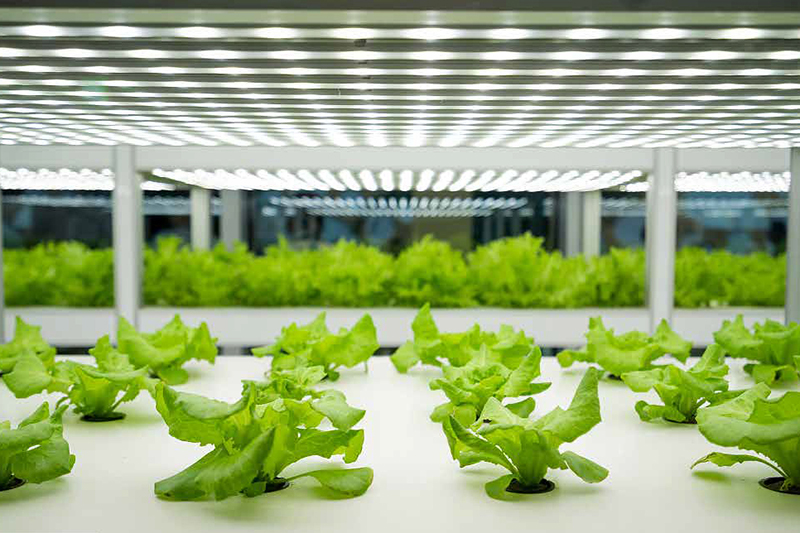
A plant factory is a controlled environment agricultural facility where plants are grown under artificial light, temperature, and humidity conditions. It aims to optimize plant growth and maximize crop yield by providing the ideal conditions for photosynthesis. Plant factories use advanced technologies such as hydroponics and vertical farming to grow plants without soil and in a vertical stack. This allows for efficient use of space and resources. Plant factories are gaining popularity due to their ability to produce high-quality, pesticide-free crops throughout the year, regardless of the external environment. They are also environmentally friendly, as they require less water and reduce the need for transportation.
1. Intelligence: With the development of science and technology, indoor planting may be more intelligent in the future. For example, mobile apps or other smart devices can be used to control plant light, temperature, water and other growth conditions, making it easier to grow.2. Vertical agriculture: Due to the limited urban space, vertical agriculture may become an important development mode of indoor cultivation. By planting inside buildings or on the walls, it can not only save space, but also improve the green rate of the city.3. Plant factories: There may be more plant plants in the future that can produce plants on a large scale by controlling environmental conditions. This way is not affected by the season and the weather, and can be produced endlessly throughout the year.4. Family farms: As the demand for healthy food increases, more people are likely to grow their own vegetables and fruits in their homes. This way can not only ensure the freshness and safety of food, but also provide a way of leisure and entertainment.5. Ecological and environmental protection: In the future, indoor planting may pay more attention to ecological and environmental protection, such as the use of organic fertilizer, water-saving irrigation, etc., to reduce the impact on the environment.6. Education and training: Indoor planting may also become a way of education and training, so that more people can understand the growth process and ecological knowledge of plants