

1. Fill light: Plant lights can provide the light needed by plants, especially when growing plants indoors, which can make up for the lack of natural light. It can simulate different wavelengths in the natural spectrum and meet the light needs of different growth stages of plants.
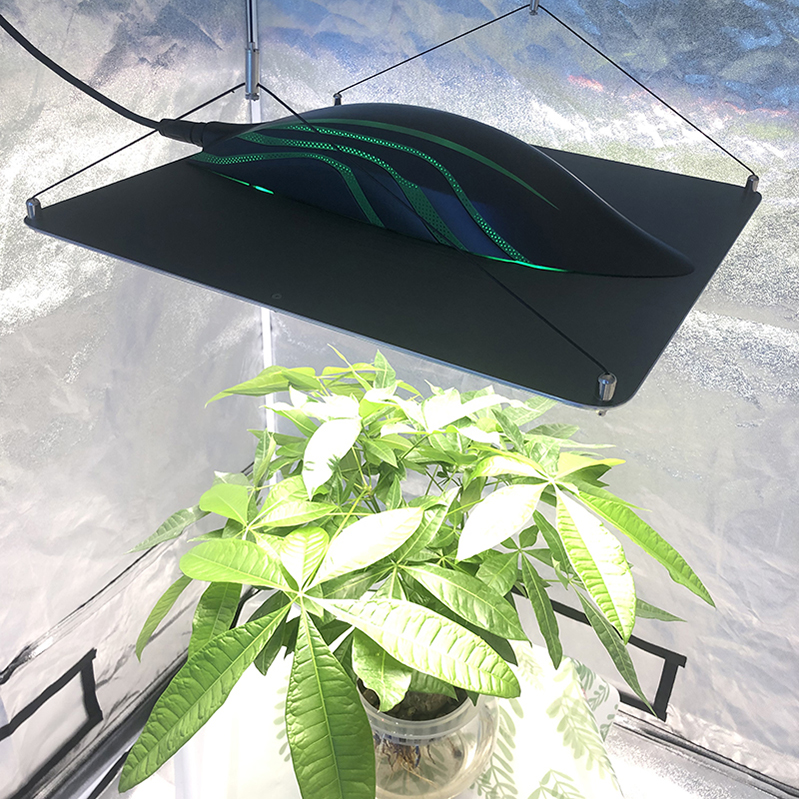
2. Promote photosynthesis: The spectrum of plant lamps can be optimized for the photosynthesis of plants, provide appropriate light, promote the efficiency of plant photosynthesis, and thus promote the growth and development of plants.
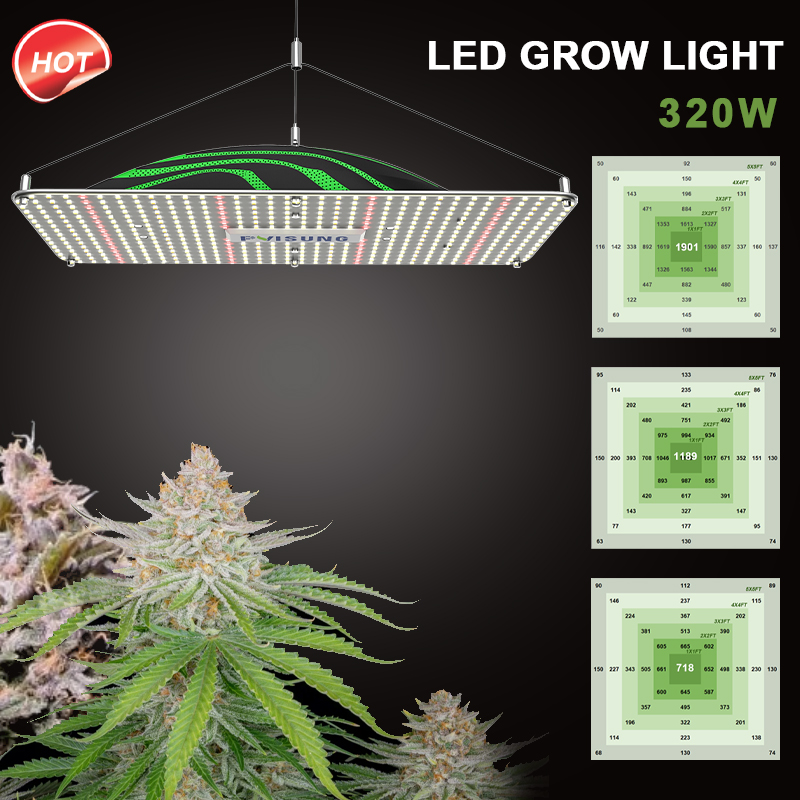
3. Extend the sunshine time: Plant lights can extend the sunshine time of plants, especially in winter or cloudy weather, can provide additional light to ensure that plants can get enough photosynthesis time.
4. Control plant growth: plant lamps can adjust the light intensity and light time according to the needs of different plants, so as to control the growth rate and shape of plants. For example, the flowering time of plants or the vertical growth of plants can be controlled by adjusting the intensity and duration of light.
In short, plant lights can provide a suitable light environment for indoor plants, help plants photosynthesis, and promote plant growth and development.